
Why Does My AC Smell Like Burning When Cooling Starts?
Separate a burning odor from a parts diagnosis. Know when to leave and call 911, why not to run another test cycle, and what follow-up should establish.
Read the answer →Focused answers for AC repair symptoms, equipment questions, humidity, maintenance, and home comfort across Tampa and North Tampa.

New weekday posts answer one homeowner question at a time. For deeper buying and planning resources, visit the Learning Center.
Separate a burning odor from a parts diagnosis. Know when to leave and call 911, why not to run another test cycle, and what follow-up should establish.
Read the answer →
Compare voltage-surge protection with a circuit breaker's overcurrent role. Learn why added protection is not a repair for recurring trips or backup power.
Read the answer →
Distinguish a coil component repair from replacing the whole indoor assembly. Clarify the retained blower, related work and written scope before comparing totals.
Read the answer →
Compare current readings in representative air, check temperature and instrument guidance, and distinguish an observation check from calibration or a repair decision.
Read the answer →
Separate the ECM motor family, indoor airflow controls and outdoor compressor operation before interpreting an equipment label or blower repair recommendation.
Read the answer →
Distinguish normal condensate routing from an indoor leak, report the affected head and ask what the drainage and icing assessment actually found.
Read the answer →
Compare temperature control with moisture removal, check the installed model's Dry instructions and know when dampness or changed performance needs assessment.
Read the answer →
Clarify whether the current control stays, a named replacement is included or an upgrade is optional. Compare the completed control scope, not the label or device price.
Read the answer →
A disposable filter is replaced, not converted into a washable product. Read the actual instructions before borrowing a cleaning method from another filter type.
Read the answer →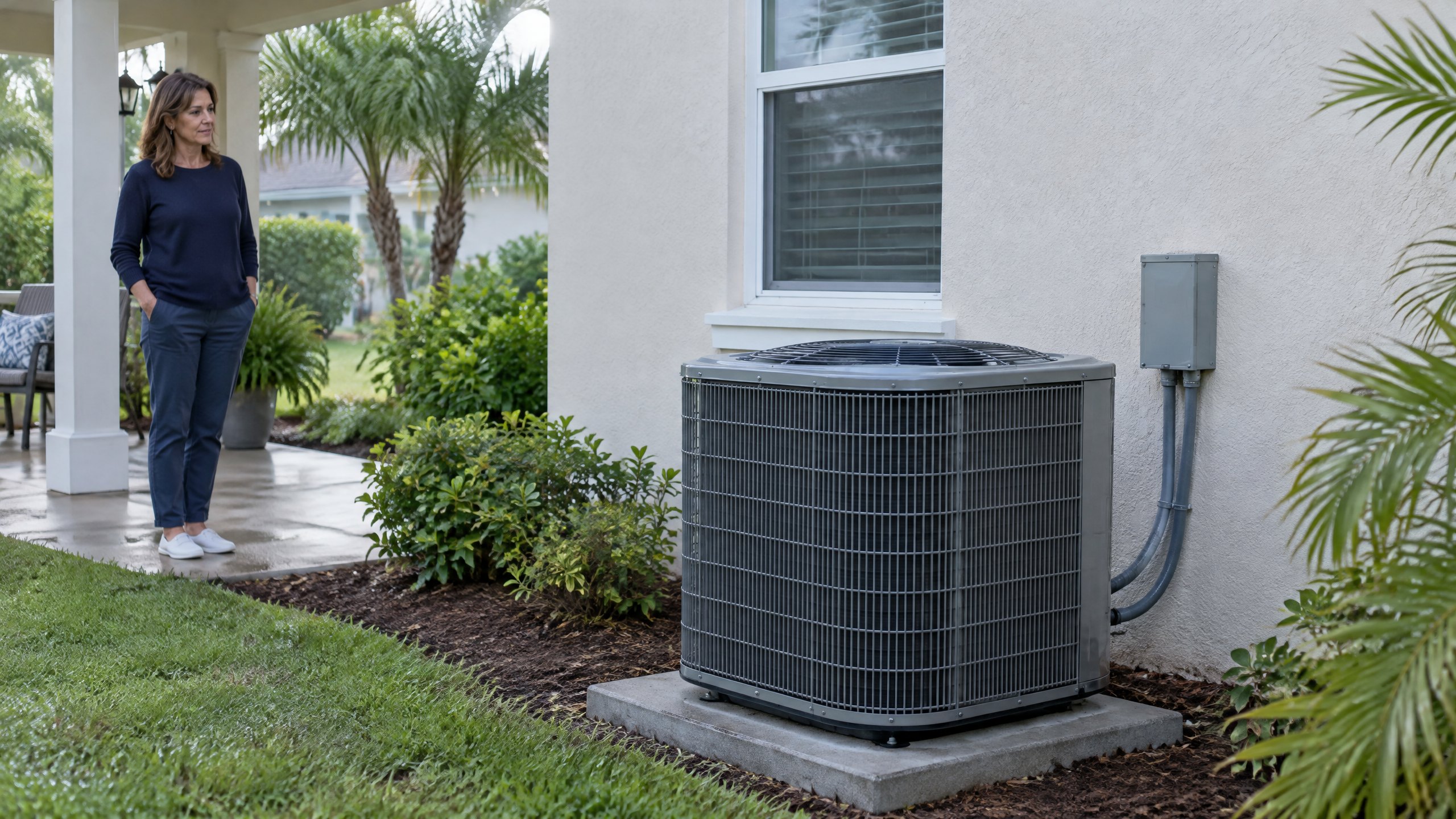
Distinguish an intentional heating-mode defrost pause from an unexplained stopped fan by the documented sequence and heating recovery—not a guessed timer.
Read the answer →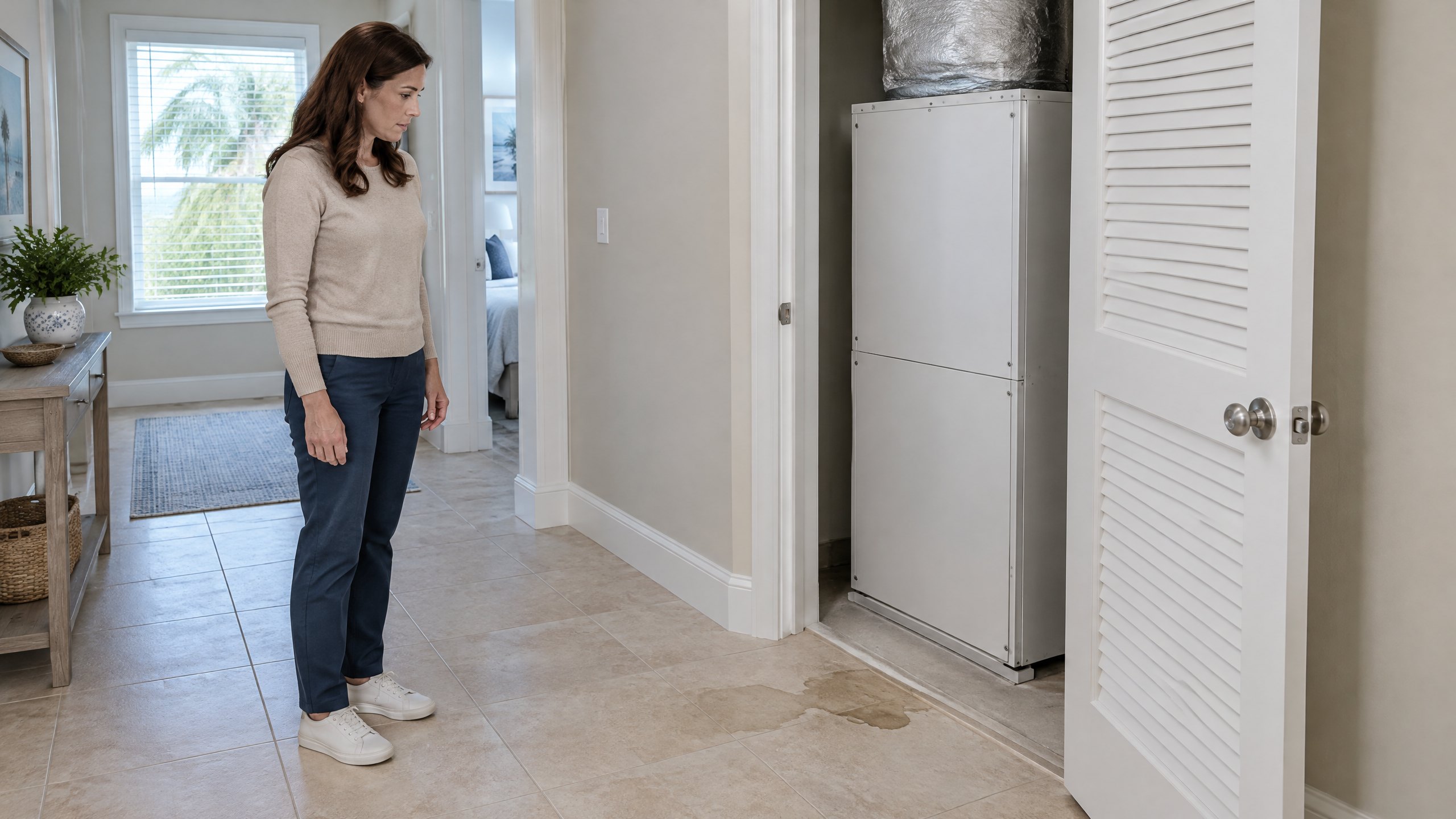
Primary condensate collection is not the same as a filling backup tray. Clarify the immediate operating decision without testing an overflow.
Read the answer →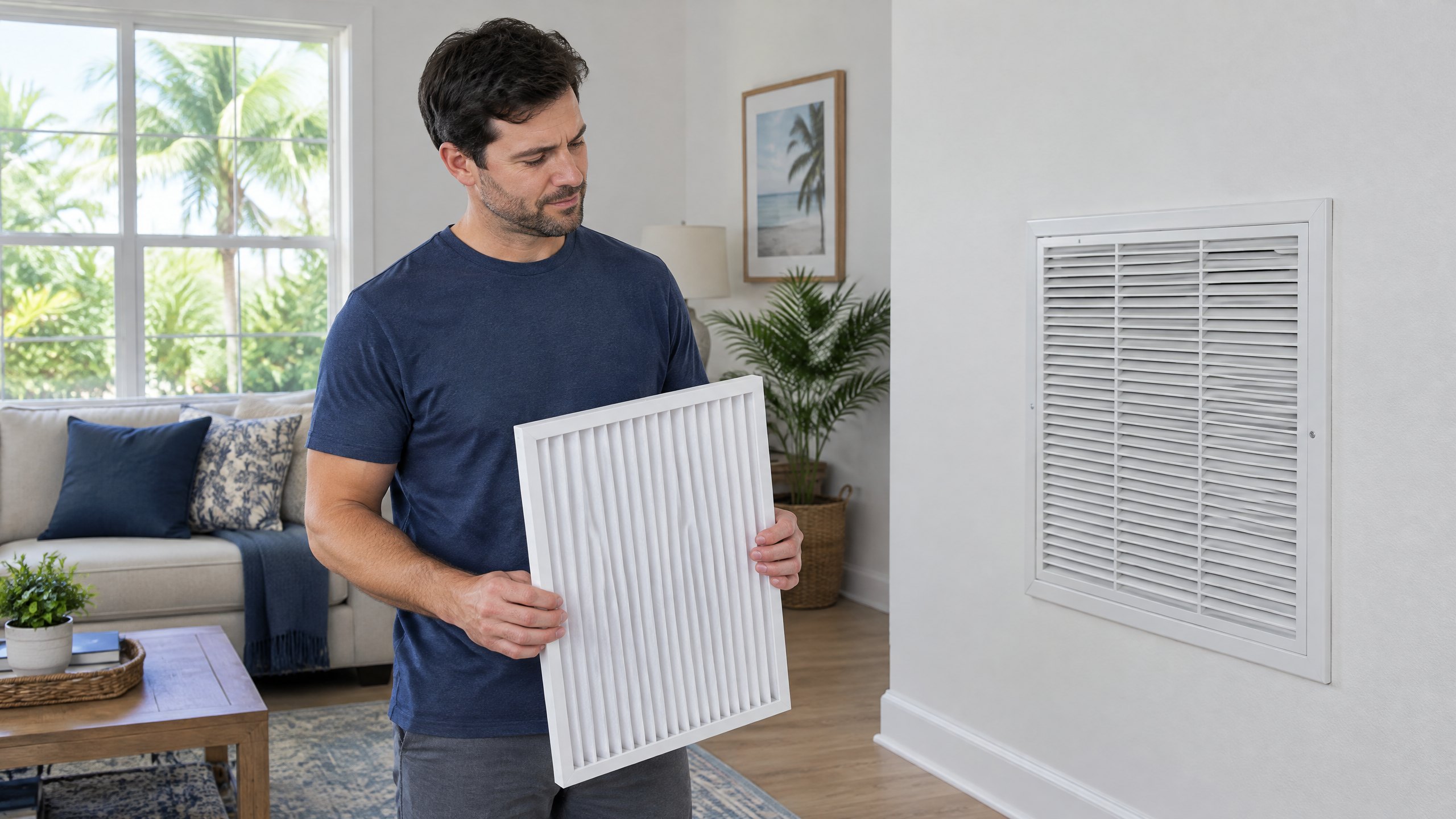
A missing filter is not a cooling repair. Understand the clean-replacement alternative, actual filter locations and when weak airflow needs assessment.
Read the answer →
Separate ductwork pricing is a scope question. Identify included connections, optional or conditional work and completion checks before comparing proposals.
Read the answer →
Cool air is not automatically drying air. Learn how dew point, indoor readings and outdoor air quality inform a morning window-ventilation choice.
Read the answer →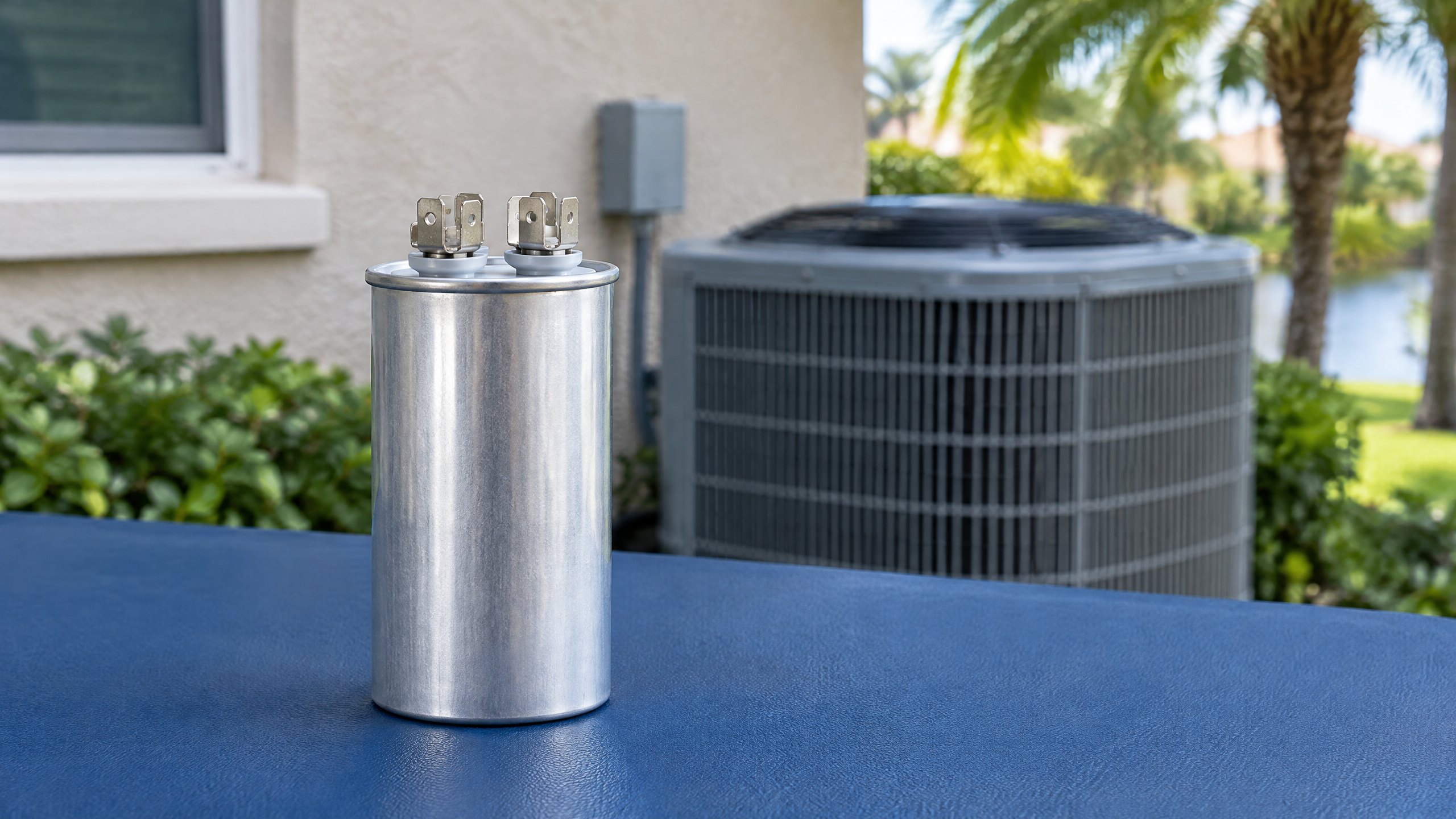
An intact-looking capacitor is not a measured result. Learn what specification, test evidence and operating verification should support a replacement recommendation.
Read the answer →
Separate continued indoor airflow from cooling that does not respond to Off, and learn what to report before professional control assessment.
Read the answer →
Separate a ceiling fan's cooling breeze from AC cooling and moisture control, and learn why an empty room usually does not need the fan running.
Read the answer →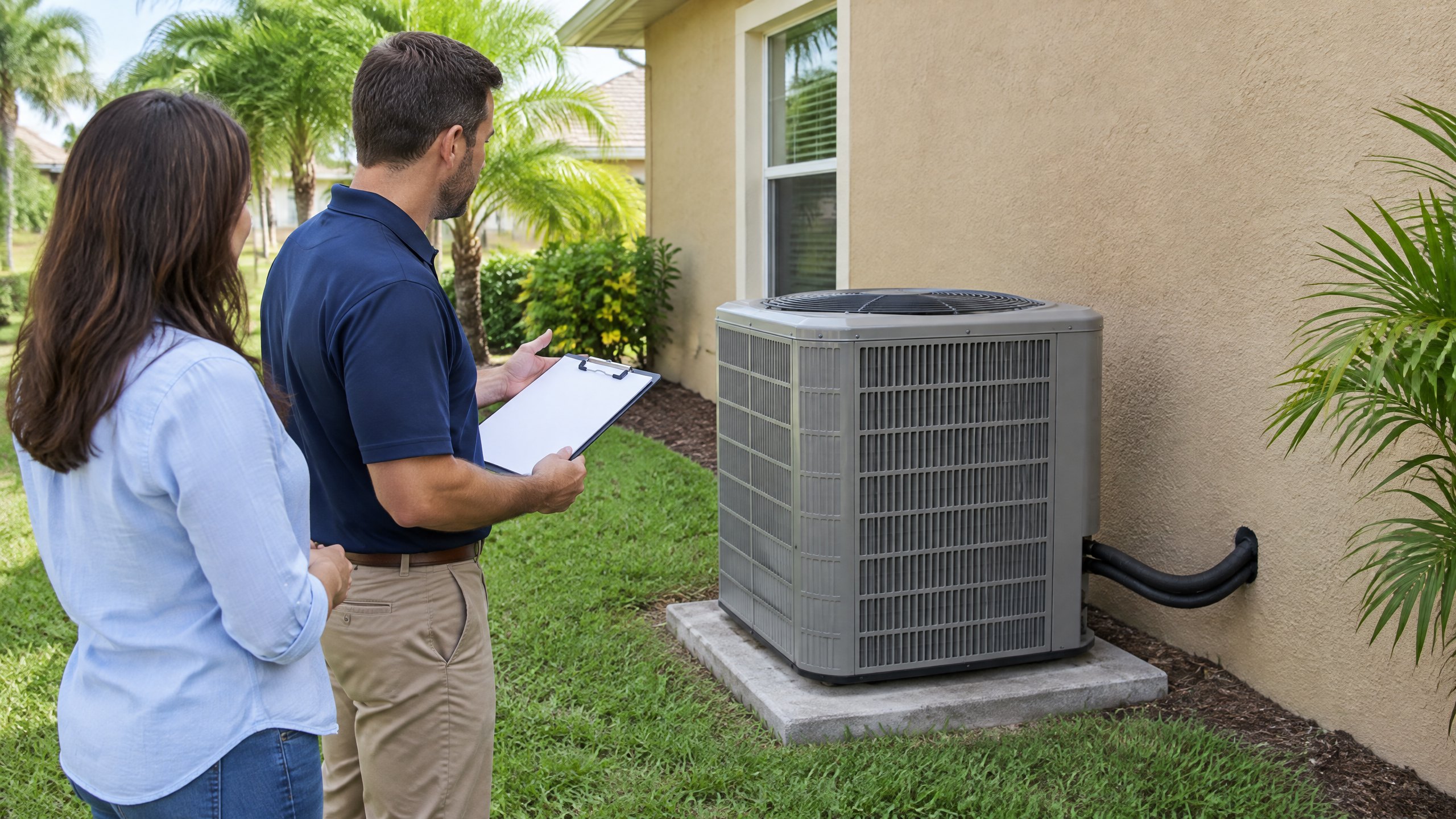
Understand when existing refrigerant lines may qualify, when model instructions call for replacement, and how to compare the written line-set scope in Tampa AC quotes.
Read the answer →
Cooling is not a substitute for local shower exhaust. Understand when to run a bathroom fan, its outdoor discharge, and what persistent moisture needs checked.
Read the answer →
Understand supplemental heating, the AUX versus Emergency Heat distinction, and what persistent or changed heating behavior needs assessed.
Read the answer →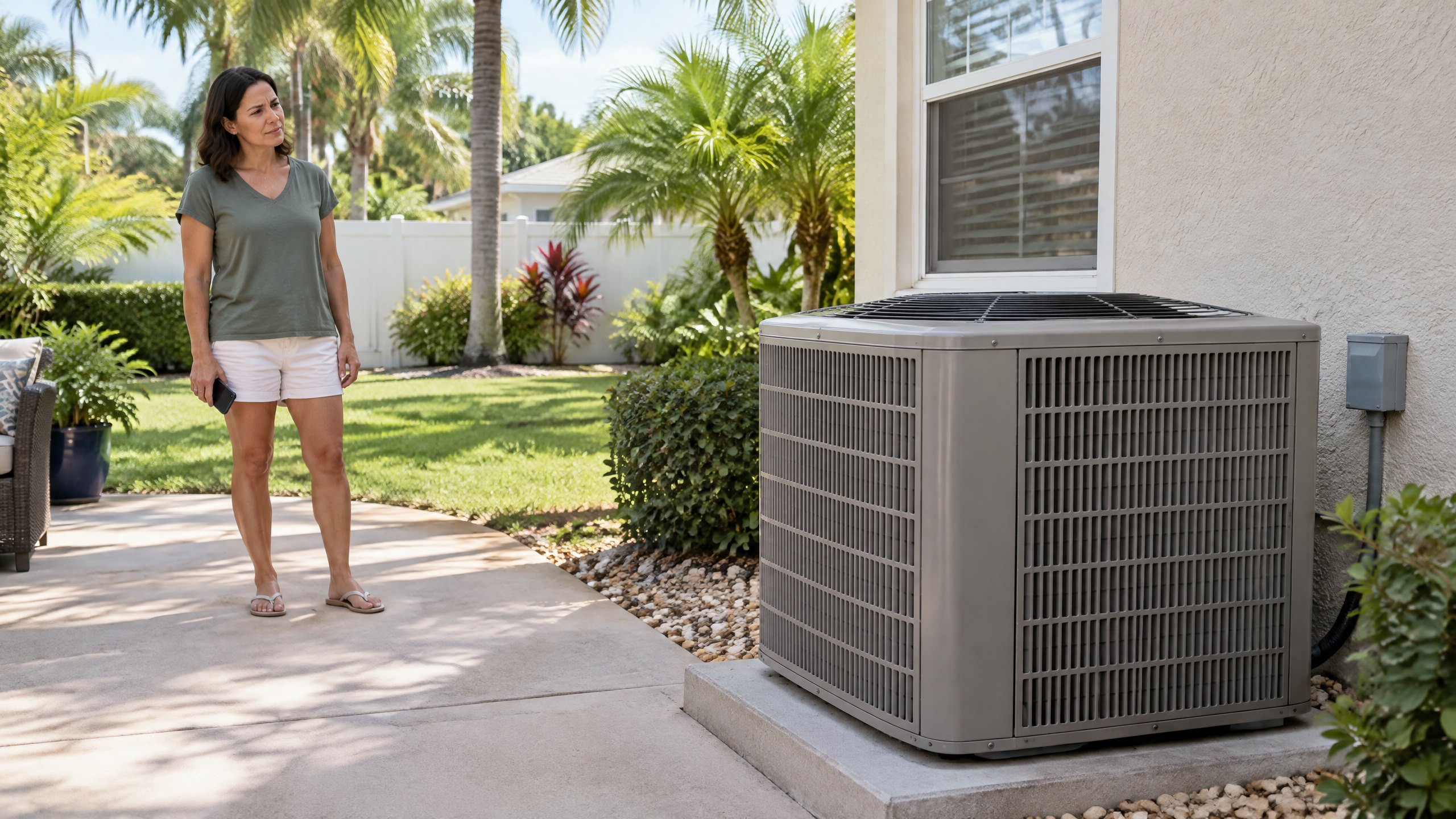
Distinguish a new mechanical rattle from normal operation, report useful observations, and understand why sound alone is not a diagnosis.
Read the answer →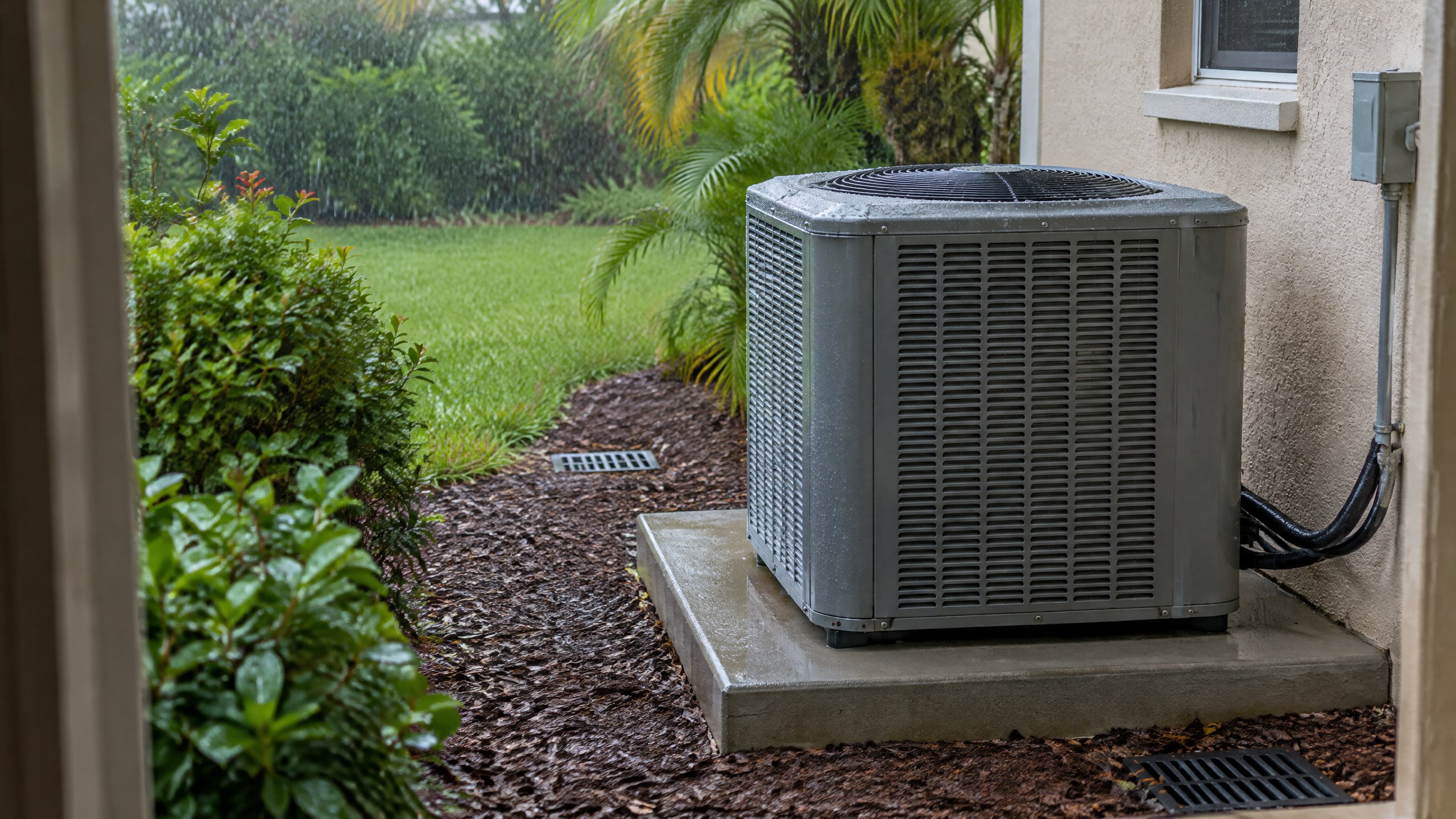
Separate normal rain exposure from lightning, floodwater, damaged equipment and new cooling problems before deciding what to do.
Read the answer →
Compare a documented outside-only replacement with a complete system by checking the retained indoor models, condition, matched rating, and installation scope.
Read the answer →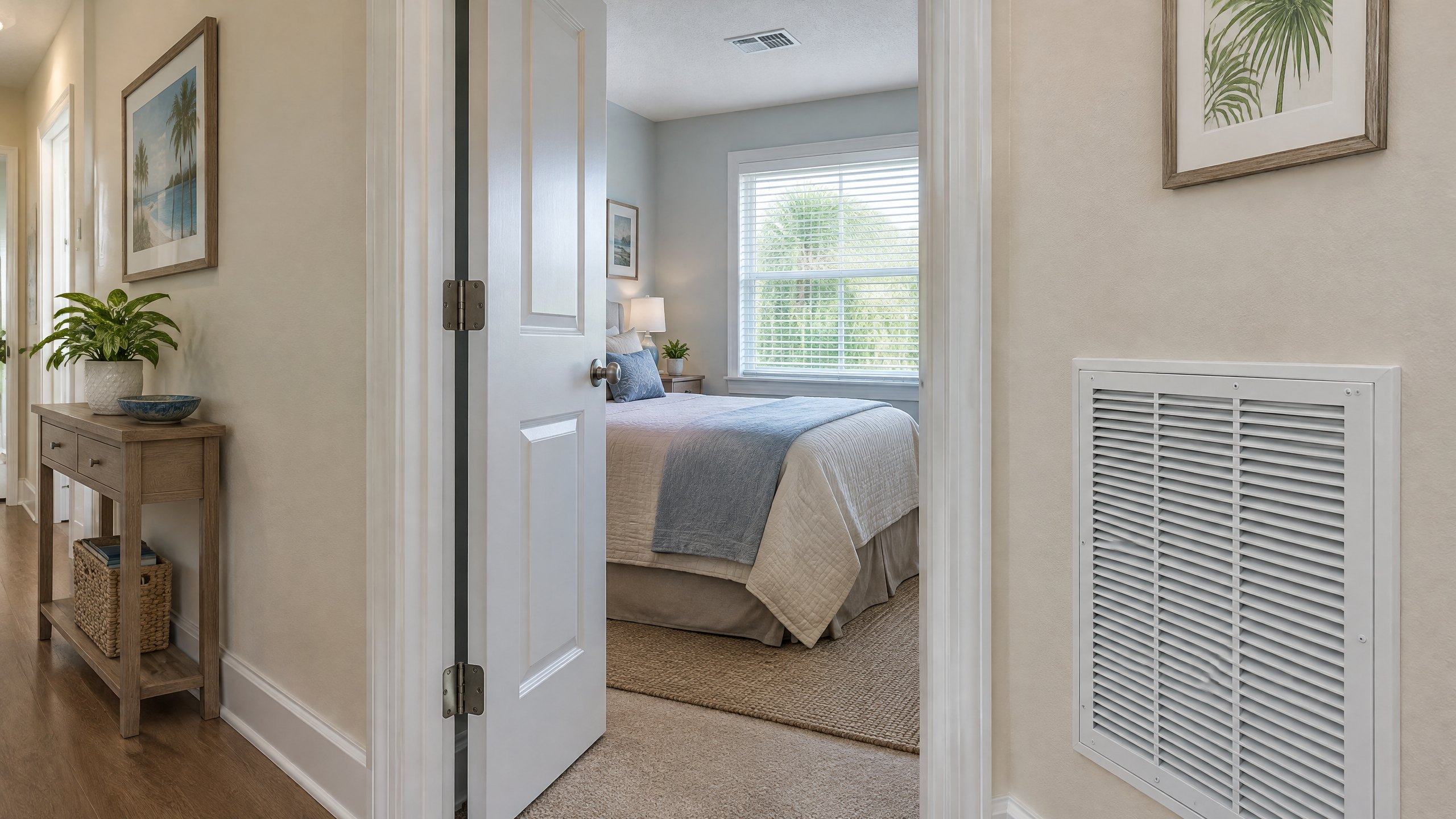
Understand the door-dependent return-air question, record useful comfort observations, and ask about room airflow before choosing a retrofit.
Read the answer →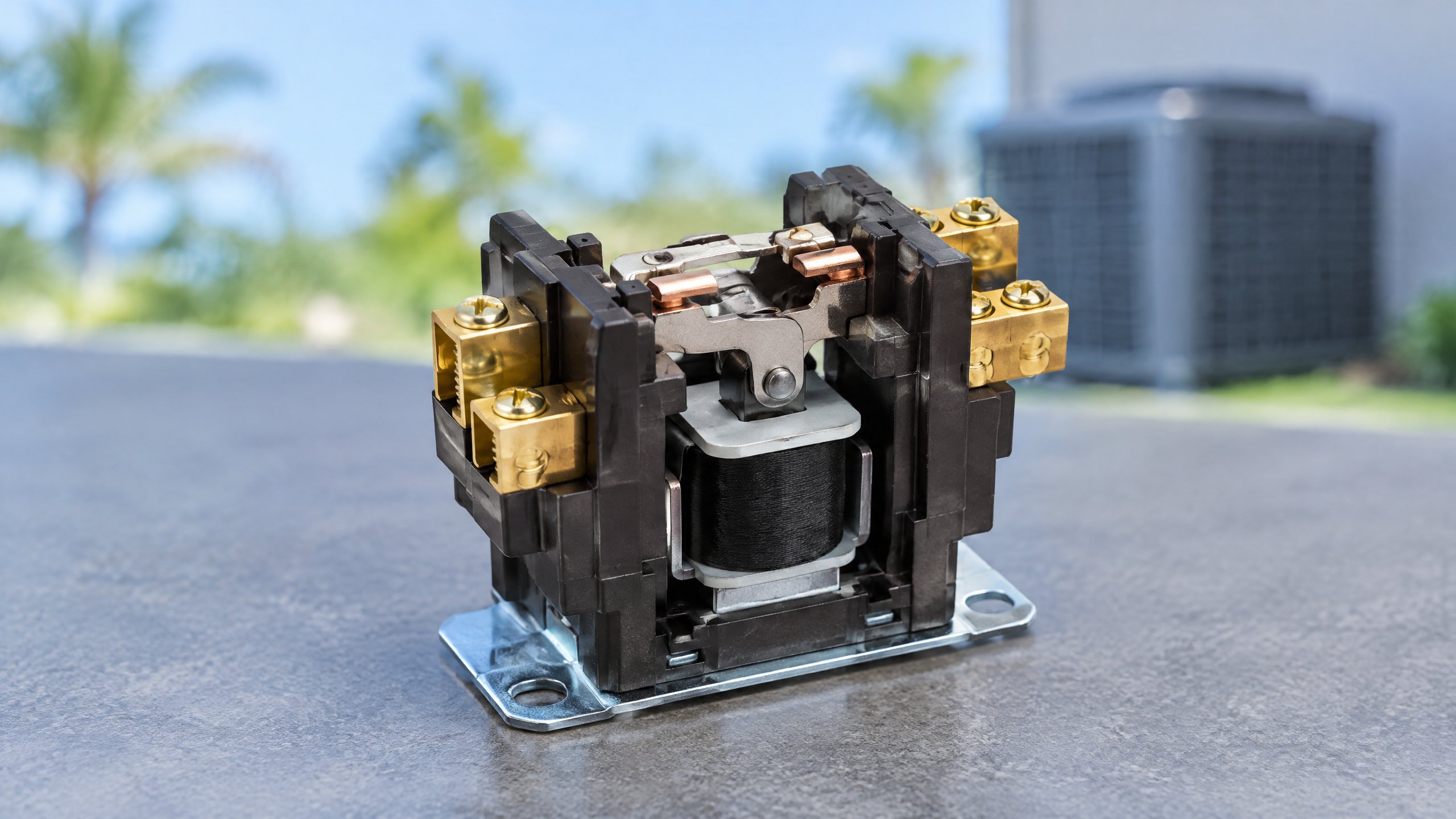
Learn how a contactor switches equipment power, why sound is not a parts diagnosis, and what to ask before authorizing a replacement.
Read the answer →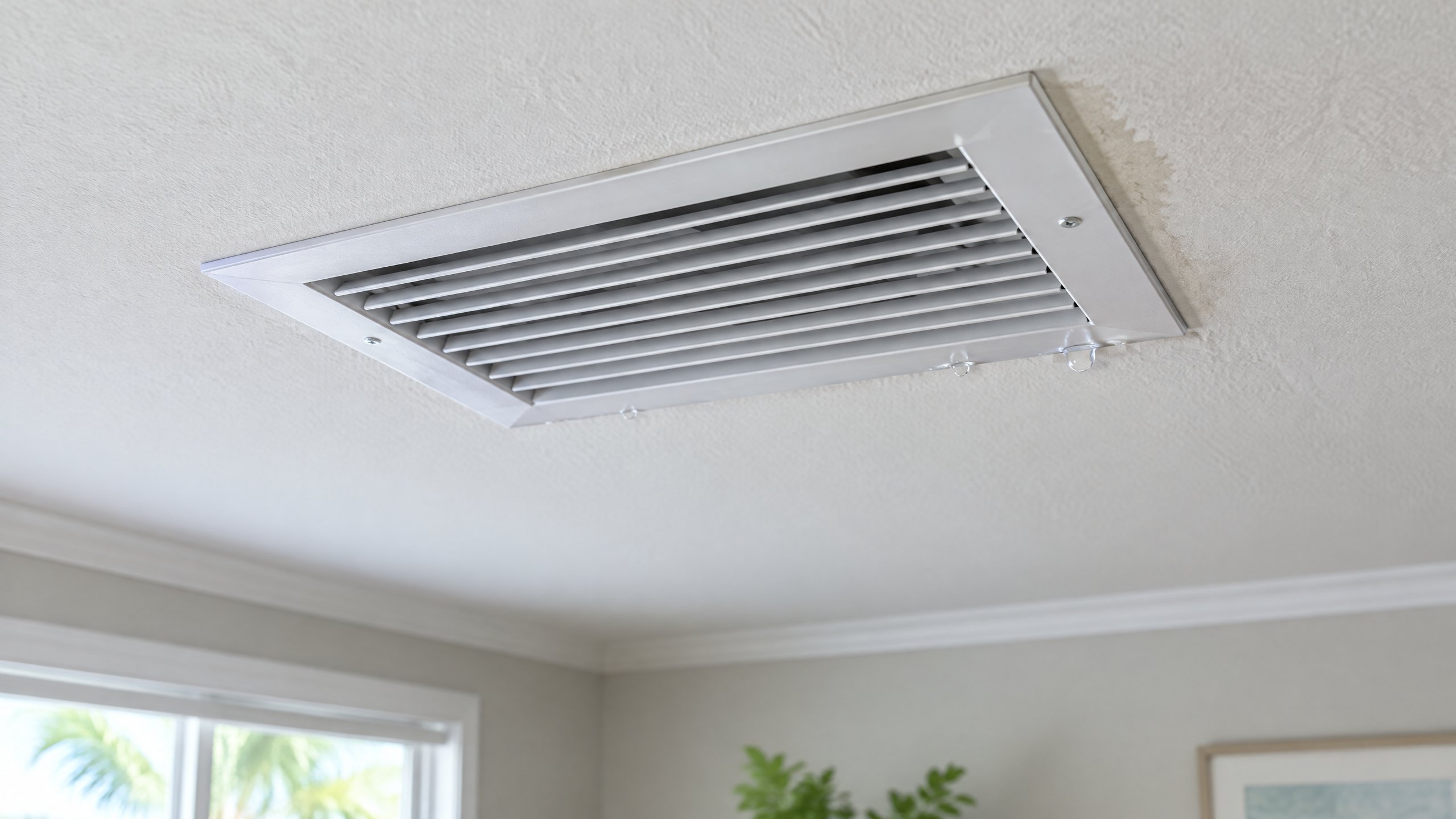
Separate surface condensation from water arriving above a register, document useful observations, and arrange an assessment of the actual water path.
Read the answer →
Separate cooling and recirculation from outdoor-air ventilation, recognize dedicated intake exceptions, and check your actual equipment before changing controls.
Read the answer →
Separate charging from leak detection, physical repair, and verification so you can compare the actual work included in a refrigerant-service proposal.
Read the answer →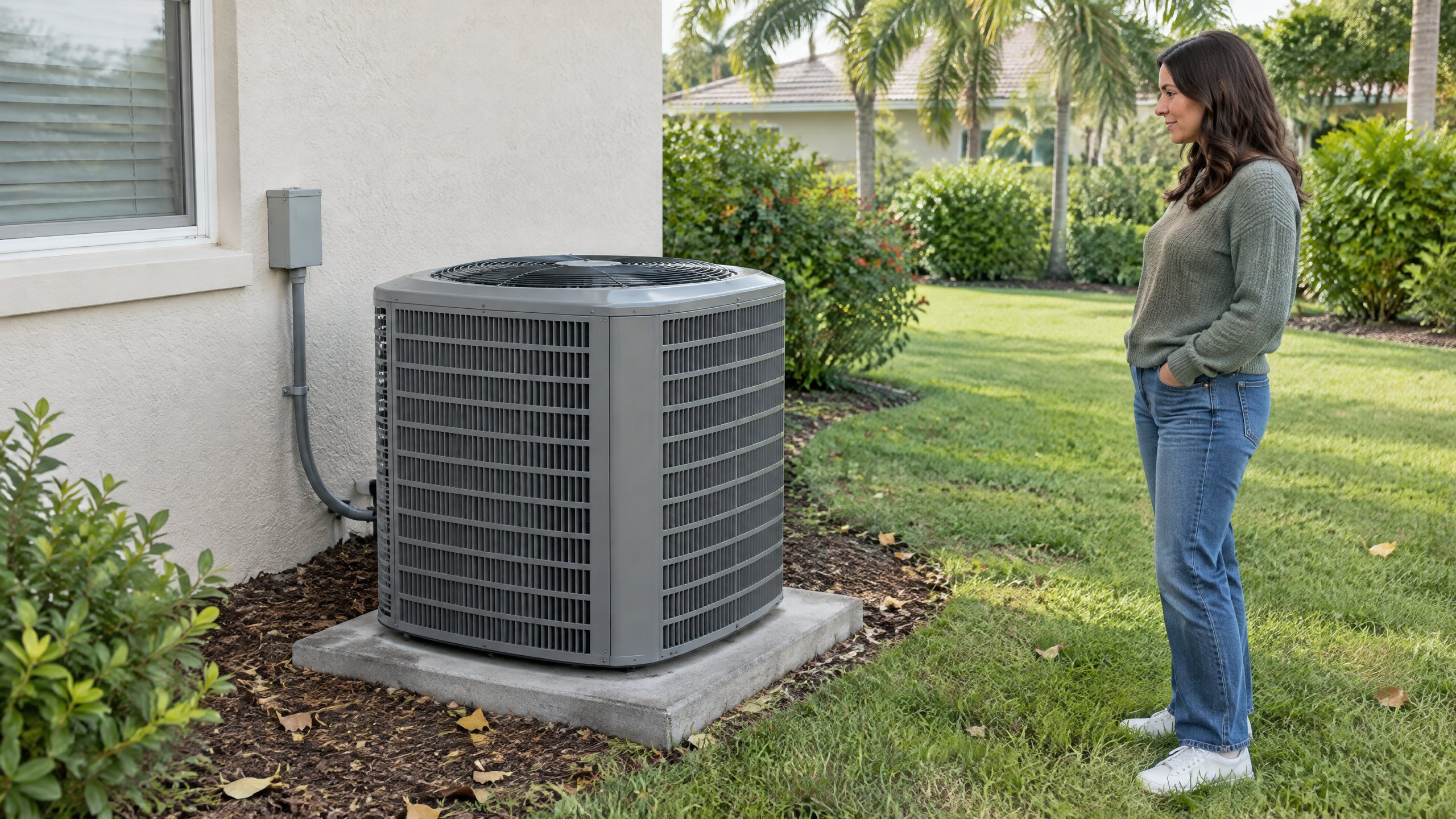
Decide whether a cover belongs on operating AC, a Heat Pump, or inactive cooling-only equipment, and distinguish approved top accessories from storage wraps.
Read the answer →
Distinguish a model-specific compressor restart delay from persistent waiting, fan-only circulation, or an unresolved no-start condition.
Read the answer →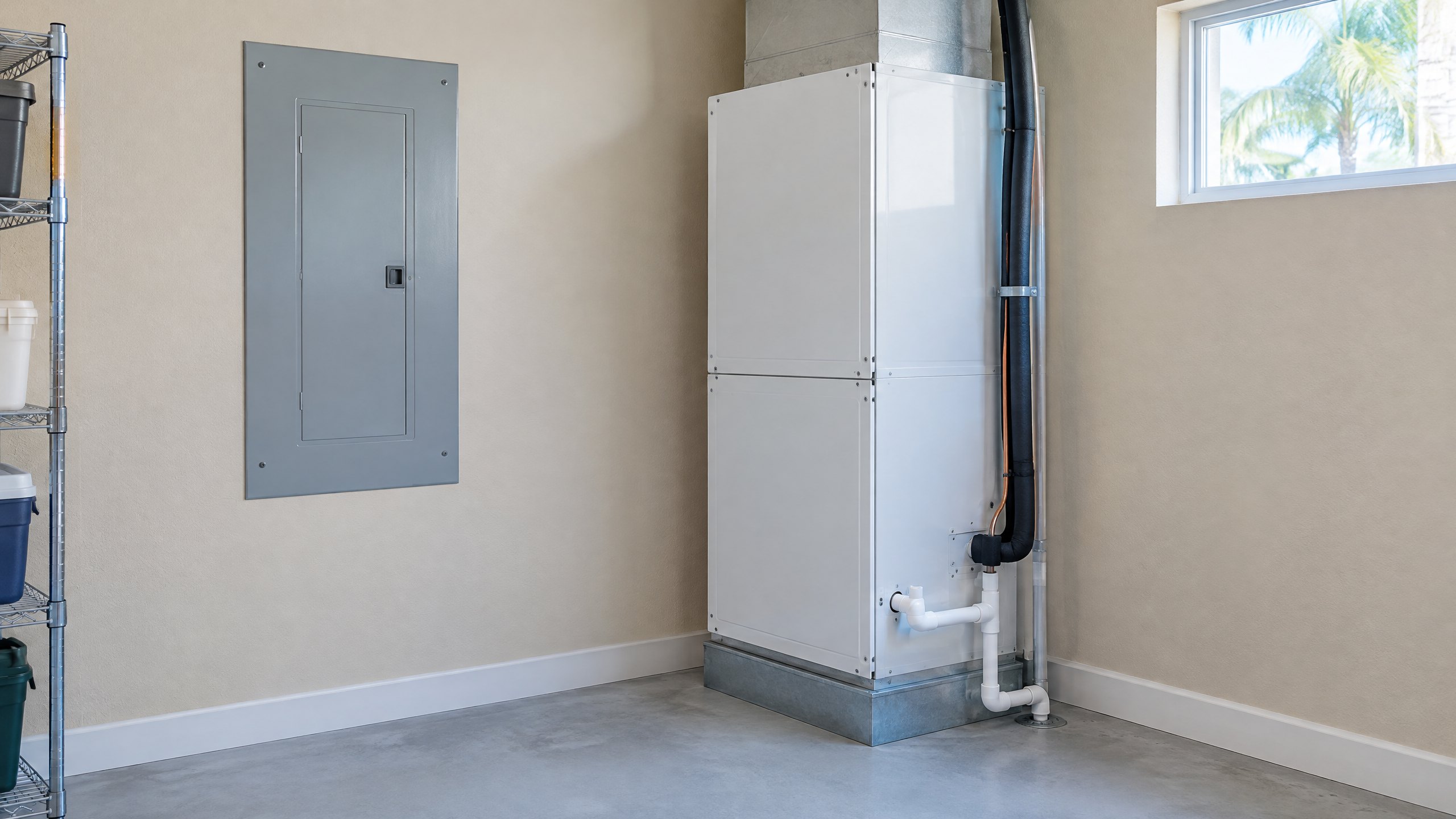
Stop repeated resets, report the sequence without recreating it, and understand when AC equipment and qualified electrical assessment are needed.
Read the answer →
Separate the desired indoor temperature from cooling speed, understand variable-capacity exceptions, and know when a cooling change needs attention.
Read the answer →
Separate replacement-part coverage from repair labor, check exceptions, and clarify which costs your written agreement actually covers.
Read the answer →
Check filter fit and return-grille obstructions, understand why air movement can whistle, and learn when a measured airflow inspection makes sense.
Read the answer →
Check batteries and accessible HVAC power, understand why an overflow switch may interrupt cooling, and know when the dark display needs diagnosis.
Read the answer →
Learn why closing supply registers is not a reliable way to lower a central-AC bill, and what to check when one room is uncomfortable.
Read the answer →
Know which diagnosis, proposed work, total, exclusions, diagnostic terms, and follow-up to clarify before authorizing a repair.
Read the answer →
Learn what a musty smell at startup can—and cannot—tell you about indoor AC moisture, what to check, and when an inspection makes sense.
Read the answer →
Learn what this outdoor-unit symptom can mean, why humming does not confirm one failed part, what to turn off, and what a technician may test.
Read the answer →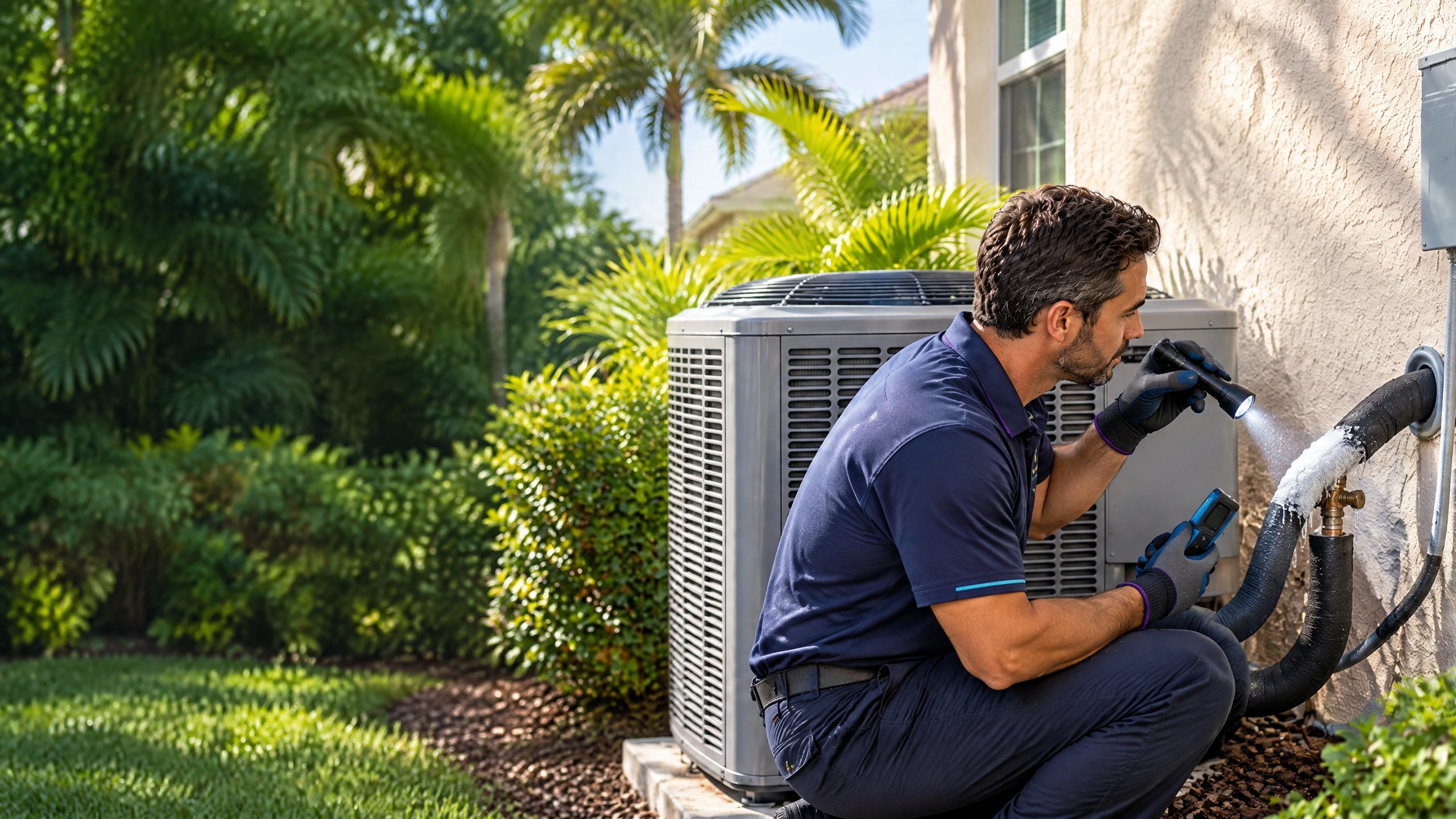
Learn what visible AC-line ice means, what to do immediately, why low refrigerant is only one possibility, and when the system needs professional diagnosis.
Read the answer →
Compare the diagnosis, warranty, system age, refrigerant, repair history, and full-system alternatives before authorizing a major compressor repair.
Read the answer →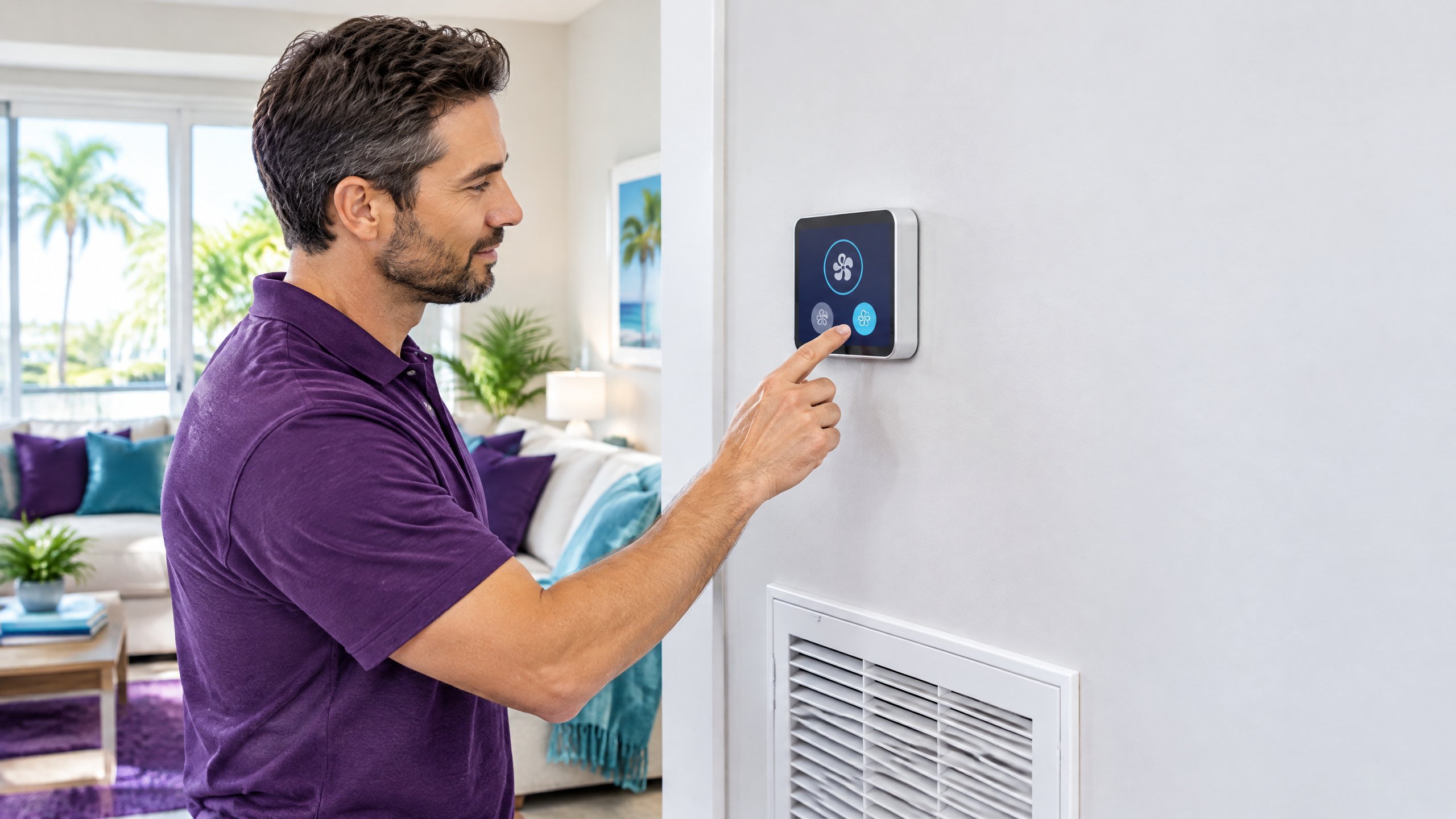
Compare Auto, On, and Circulate for Tampa humidity, airflow, energy use, and signs that the blower or controls need diagnosis.
Read the answer →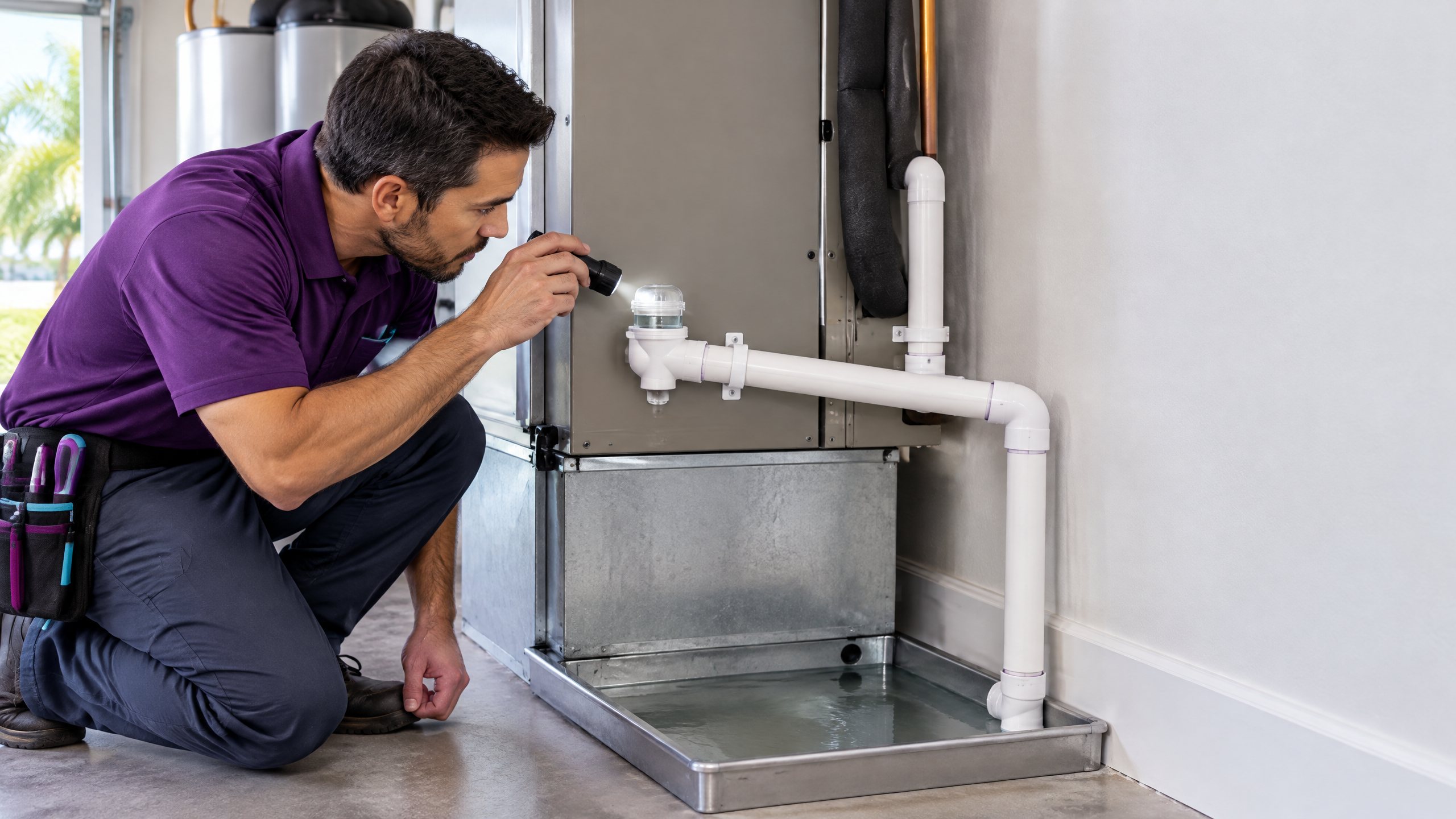
Learn why a condensate line may block repeatedly, which warning signs matter, and when the pan, trap, pump, or drainage path needs inspection.
Read the answer →
Understand short cycling, the checks a homeowner can make, common airflow and control causes, and when the pattern needs system measurements.
Read the answer →
Separate simple thermostat, filter, vent, and outdoor-unit checks from airflow, refrigerant, electrical, and mechanical problems that need measurements.
Read the answer →
Review warning signs that may justify a repair visit or a broader replacement conversation.
Read the article →
Understand how runtime, airflow, drainage, ducts, and equipment sizing can affect indoor moisture.
Read the article →
Use a season-by-season checklist to reduce preventable cooling problems during Tampa’s long cooling season.
Read the article →
Prioritize thermostat settings, filters, ducts, maintenance, and equipment decisions that influence cooling energy use.
Read the article →The Learning Center covers larger decisions such as replacement cost, Manual J sizing, permits, Heat Pump comparisons, and quote evaluation. Weekday blog posts answer narrower questions and link into those evergreen guides.
Talk with a local North Tampa team that will inspect the system, explain the findings, and outline the available repair options.